The Hidden Deterioration of Under-Slab Cast Iron Drains
In older homes in Moore, Oklahoma, particularly properties built in Old Town Moore prior to the 1980s, the entire building sewer and drain network beneath the concrete foundation is composed of cast iron pipe. While cast iron is robust and heavy, it has a finite functional lifespan of 40 to 60 years when buried in central Oklahoma's damp, corrosive red clay. Over time, internal acid exposure from household sewage and external moisture cause cast iron lines to rot, scale, crack, and collapse.
When searching for reliable cast iron pipe replacement Moore property owners often face persistent drain line backups, foul sewage gas odors, or unexplained foundation shifting. Unlike pressurized water supply leaks, which trigger continuous meter spinning, a cracked cast iron drain under slab Moore discharges wastewater intermittently every time a toilet flushes or a bathtub drains. This insidious moisture slowly destabilizes sub-slab soil. If you suspect drainage compromise alongside supply line issues, consult our team for comprehensive slab leak repair in Moore.
Drain Leaks vs. Supply-Line Slab Leaks: Understanding the Difference
Homeowners often conflate drainage failures with supply-line slab leaks, but they operate under completely different physical dynamics:
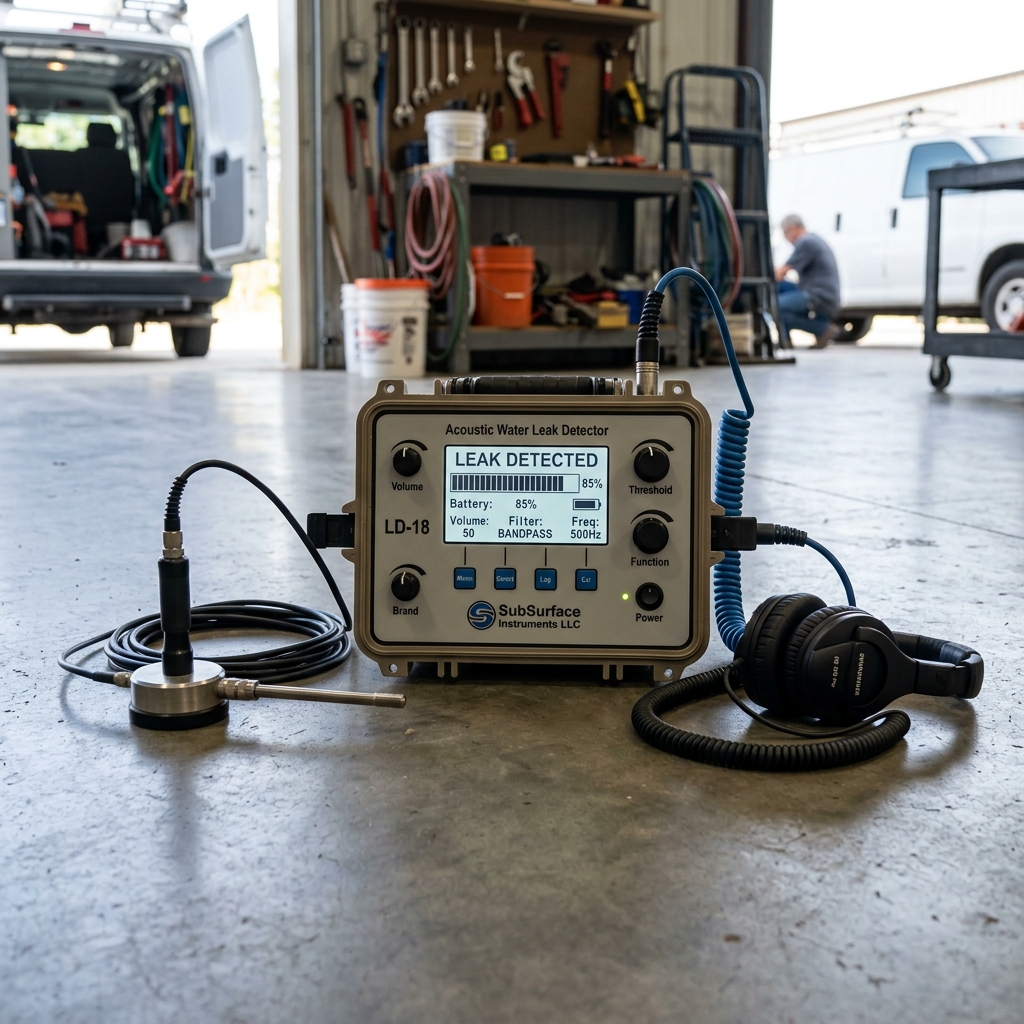
- Supply-Line Leaks: Pressurized potable water lines (40 to 80 PSI) flow continuously until shut off, spinning the exterior meter and causing distinct acoustic hissing or hot floor spots.
- Under-Slab Sewer Leaks: A sewer line under slab Moore relies entirely on gravity. Water only flows when fixtures are used. It does not cause the water meter to spin, making diagnosis dependent on camera inspection and hydrostatic testing rather than acoustic pressure sensors.
Warning Signs of Failing Cast Iron Drains
Because cast iron deterioration progresses gradually from the inside out, look for these common warning signals:
- Chronic Slow Draining Fixtures: Multiple sinks, showers, and tubs in different rooms draining slowly despite routine snaking.
- Frequent Sewage Backups: Toilets gurgling or sewage backing up into lower shower pans when the washing machine drains.
- Foul Sewer Gas Smells: Persistent hydrogen sulfide or rotten-egg odors lingering near bathroom baseboards or floor drains.
- Fruit Flies and Drain Gnats: Unexplained pest infestations originating from cracked drainage hubs beneath the foundation.
- Localized Foundation Subsidence: Indentations or cracks developing in floors above the primary drain path caused by soil erosion from escaping wastewater.
Persistent Sewer Odors or Multiple Clogged Drains?
A collapsed cast iron drain line can flood raw wastewater beneath your home's foundation slab. Call our drain diagnostic specialists to schedule a fiber-optic camera inspection today.
Our Diagnostic Process: Camera Scans and Hydrostatic Testing
Before deciding whether to excavate or line an under-slab pipe, our technicians perform a complete diagnostic evaluation:
1. High-Resolution Sewer Camera Inspection
We insert a self-leveling HD fiber-optic camera through existing sewer cleanouts. The camera captures crisp video footage of the interior pipe walls, revealing root intrusions, thick rust scaling, bottom corrosion channeling (where the pipe floor has rotted away entirely), and structural shear cracks.
2. Under-Slab Hydrostatic Pressure Testing
To confirm whether the underground system is water-tight, we insert an inflatable test ball at the perimeter foundation cleanout and fill the drain stacks with water to floor level. If the water level drops, it confirms an active subterranean leak under the concrete slab.
Replacement and Restoration Options for Moore Homes
Depending on pipe depth, structural stability, and extent of degradation, we offer three primary replacement strategies:
1. Cast Iron Pipe Lining Moore (CIPP Epoxy Relining)
When the cast iron host pipe retains its structural geometry, trenchless Cured-in-Place Pipe (CIPP) lining offers an ideal, zero-demolition remedy. We descale the pipe interior using high-speed mechanical chains and hydro-jetting, then pull through a resin-saturated textile liner that cures into a seamless, rock-hard epoxy pipe-within-a-pipe. This completely seals cracks without disturbing your flooring.
2. Sub-Slab Tunneling
When pipe replacement is mandatory but homeowners wish to preserve expensive custom wood, tile, or stone flooring, our crews excavate access shafts outside the home and tunnel horizontally beneath the foundation beam. Technicians remove the rotted cast iron and hang new SDR-35 or Schedule 40 PVC piping from heavy-duty foundation hangers without entering your living space.
3. Interior Precision Concrete Trenching
In utility rooms, garages, or areas undergoing full remodel, traditional saw-cutting and trenching allows direct physical replacement of under-slab hubs and fittings with durable, modern PVC drainage lines.
If your home also requires supply line upgrades, review our whole-house repiping service or slab leak reroute options.